


Natural vs Carbonized Bamboo: Which Color Is Right For Your Needs
When shopping for bamboo products, you've probably noticed two distinct color options – light natural bamboo and darker carbonized bamboo. This isn't just about aesthetics. The carbonization process that creates that rich caramel color also changes the bamboo's properties in ways that honestly affect how well products perform in different applications. Understanding these differences helps you choose the right bamboo products for your specific needs.
Understanding the Carbonization Process
Natural bamboo maintains its original blonde color after processing, preserving the material's inherent strength and hardness. This is the bamboo in its most durable state, similar to how we've discussed bamboo's impressive strength compared to other materials in previous articles.
Carbonized bamboo undergoes heat treatment that caramelizes the natural sugars, creating darker tones ranging from light amber to deep coffee brown. This process creates beautiful color but slightly reduces hardness – think of it like toasting bread. The toast tastes different and has changed texture, but it's still bread at its core.
Natural Bamboo Strengths and Best Uses
Natural bamboo offers maximum hardness and durability, making it ideal for high-impact applications. Remember our discussion about bamboo cutting boards lasting years longer than plastic? That durability comes primarily from natural bamboo's exceptional hardness that resists knife marks and wear.
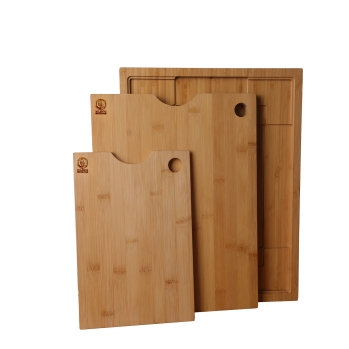
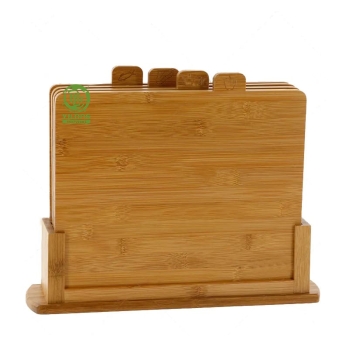
Kitchen cutting boards benefit most from natural bamboo's hardness. The light color also makes it easier to see food particles during cleaning, supporting the hygiene advantages we've highlighted before. Natural bamboo cutting boards maintain their smooth surface longer under intensive daily use.
Natural bamboo works excellently for bamboo chairs and furniture that receive heavy use. The material's maximum strength supports weight and movement without developing the looseness or damage that occurs with softer materials. For office chairs or dining chairs used multiple times daily, natural bamboo's durability advantage matters significantly.
Flooring applications strongly favor natural bamboo. The harder surface resists dents from furniture, high heels, and dropped objects better than carbonized alternatives. If you're considering bamboo flooring for high-traffic areas, natural bamboo provides better long-term performance.
Carbonized Bamboo Aesthetic and Applications
Carbonized bamboo's rich, warm tones create sophisticated appearances that appeal to people seeking traditional wood aesthetics. The darker color coordinates beautifully with existing wood furniture and creates cohesive looks in spaces with warm color palettes.
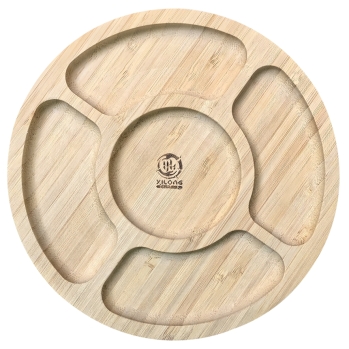
This aesthetic advantage makes carbonized bamboo popular for decorative applications where appearance matters more than maximum durability. Bamboo serving boards and decorative trays benefit from carbonized bamboo's elegant appearance. As we discussed when talking about bamboo serving pieces elevating meals, presentation matters – carbonized bamboo delivers impressive visual appeal.
Bedroom furniture like bamboo beds and nightstands work well in carbonized bamboo. The darker, warmer tones create relaxing atmospheres conducive to rest. Since bedroom furniture typically experiences less intensive wear than kitchen or office items, the slight hardness reduction doesn't significantly impact performance.
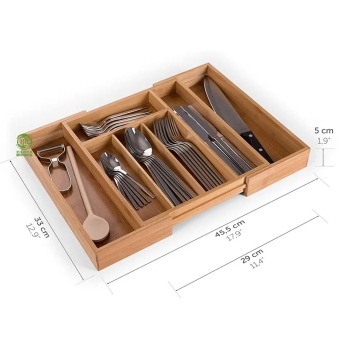
Wall-mounted shelves and decorative storage boxes showcase carbonized bamboo's beauty while avoiding the heavy-duty applications where maximum hardness matters. These pieces contribute to room aesthetics while serving practical organizational functions we've explored in previous articles.
Comparing Durability Factors
Natural bamboo maintains harder surfaces that resist scratching and denting better than carbonized versions. For items that contact hard objects repeatedly – cutting boards, chair seats, table tops – this durability difference becomes noticeable over years of use.
Carbonized bamboo, while slightly softer, still outperforms most traditional woods and significantly exceeds plastic alternatives in durability. The reduced hardness isn't dramatic enough to disqualify carbonized bamboo from most applications, but understanding the difference helps optimize product selection.
Both natural and carbonized bamboo resist moisture and maintain dimensional stability better than traditional wood. The carbonization process doesn't significantly affect bamboo's natural moisture resistance that we've highlighted throughout our discussions of bamboo advantages.
Color Maintenance Over Time
Natural bamboo may darken slightly with age and sun exposure, developing a warm patina that many people find attractive. This aging process resembles how we discussed bamboo products becoming more attractive over time rather than looking worn out.
Carbonized bamboo maintains its color more consistently over time. The heat treatment that creates the color makes it relatively stable, though all natural materials experience some color evolution with age and use. This color stability appeals to people who want long-term aesthetic consistency.
Both colors benefit from the same easy maintenance routines we've emphasized throughout our bamboo articles – simple cleaning without special products or complicated care procedures.
Matching Bamboo Color to Decor Styles
Natural bamboo's light tones work beautifully in modern, minimalist, coastal, and Scandinavian-inspired spaces. The blonde color creates brightness and airiness that complements contemporary design aesthetics. If your kitchen features white cabinets and light counters, natural bamboo accessories coordinate perfectly.
Carbonized bamboo suits traditional, rustic, industrial, and transitional decor styles. The darker tones provide warmth and sophistication that pairs well with existing wood furniture and creates cohesive looks in spaces with varied materials. For kitchens with dark cabinets or warm color schemes, carbonized bamboo integrates naturally.
Remember our discussion about bamboo products fitting multiple decorating styles? Both color options offer this versatility, just with different aesthetic starting points that suit different design preferences.
Practical Selection Guidelines
For cutting boards and food preparation surfaces, choose natural bamboo for maximum durability and easy visibility of cleanliness. The harder surface lasts longer under knife work and maintains its quality through years of daily use.
For serving pieces and decorative items, either color works well – choose based on aesthetic preference and existing kitchen style. Carbonized bamboo provides more formal, elegant appearance while natural bamboo offers fresh, modern appeal.
For furniture applications, consider use intensity. High-use items like office chairs and dining chairs benefit from natural bamboo's maximum hardness. Decorative furniture and bedroom pieces work beautifully in either color based on room aesthetics.
For bathroom accessories like toothbrush holders and soap dishes, either color performs equally well functionally. Choose based on bathroom color scheme and personal preference. Natural bamboo brightens small bathrooms while carbonized bamboo adds warmth.
Price Considerations
Carbonized bamboo sometimes costs slightly more than natural bamboo due to the additional processing step. However, the price difference is usually minimal and shouldn't be the primary decision factor. As we've discussed regarding bamboo product pricing, focus on quality and appropriate application rather than minor cost variations.
Both color options deliver the long-term value advantages we've highlighted throughout our bamboo discussions – extended lifespan, easy maintenance, and sustained appearance that justify initial investment.
Mixing Natural and Carbonized Bamboo
Don't feel pressured to choose only one color throughout your home. Mixing natural and carbonized bamboo products works beautifully when done thoughtfully. Use natural bamboo for functional kitchen tools and carbonized bamboo for serving pieces, or mix colors in different rooms based on each space's aesthetic.
This flexibility reflects bamboo's versatility we've emphasized repeatedly – the material adapts to various needs and preferences while delivering consistent practical benefits regardless of color choice.
Conclusion: Choosing Right for Your Needs
Natural bamboo excels in high-durability applications where maximum hardness matters – cutting boards, heavily-used furniture, and flooring. Carbonized bamboo shines in decorative applications where rich color enhances aesthetics – serving pieces, bedroom furniture, and display items. Understanding these differences helps you select bamboo products that perform optimally while matching your style preferences. Both options deliver the practical advantages that make bamboo products smart choices for modern homes.